Say you walk into a supermarket and you are considering which brand of chocolate you should buy either Lindt or Cadbury. You consider to yourself Lindt chocolate is more expensive then Cadbury so Cadbury is probably better because I save money although last time I ate Cadbury it didn’t satisfy my expectations whereas even though Lindt chocolate is more expensive it exceeded my expectations you go for the Lindt option because of the positive experience you have had with Lindt. Now even though this thought process sounds simple it is actually very complex in nature as marketers must market towards consumer learning in order for consumer to understand their product and wanting to purchase it over competitors. To do so, we need to look at consumer learning which is “a process by which individuals acquire the purchase and consumption knowledge and experience that they apply to future related behaviour.” (1)
When looking at consumer learning it is essential that marketers understand different types of learning theories in order to evoke emotions from their product to instil this in their consumer in order to gain a loyal long standing relationship with their consumer. In doing so marketers can look at 2 different learning theories (2)
1. Behavioural: Which “Assume that Learning Takes Place as the Result of Responses to External Events. Also known as stimulus response theory.” (1)
2. Classical: Which “occurs when a a stimulus is paired with another stimulus that elicits a known response that serves to produce the same response when used alone.” (1)
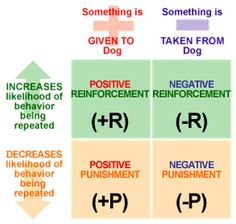
In addition within the behavioural learning theory instrumental conditioning is undertaken which “Occurs as the Individual Learns to Perform Behaviours That Produce Positive Outcomes and to Avoid Those That Yield Negative Outcomes.” Thus, when creating an emotional connection between your Brand and your customer positive reinforcement is a vital component. This is where “A positive outcome that influences the likelihood that a specific behavior will be repeated in the future in response to a particular cue or stimulus.” (1, 2)
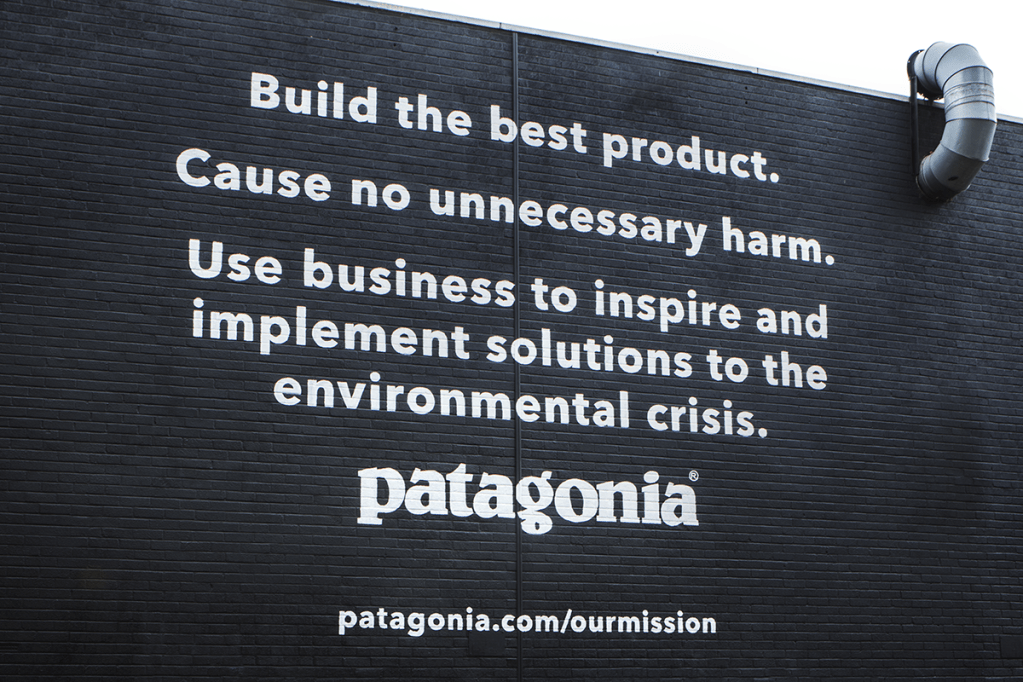
In this instance of Patagonia, one of the leading companies in producing outdoor gear, they evidently show through the ad below how they have utilised their instrumental conditioning to a max by providing consumers with positive outcomes. For example, as can be seen with Keith Malloy the surfer in the video he states the new surfboards he purchase usually only last a couple of months, but with the Patagonia surfboard he has purchased it has lasted him for over 9 years and “doesn’t have one single ding in it” and further explains how he has taken the surfboard to some of the most dangerous surfs in the world and it still in mint condition.
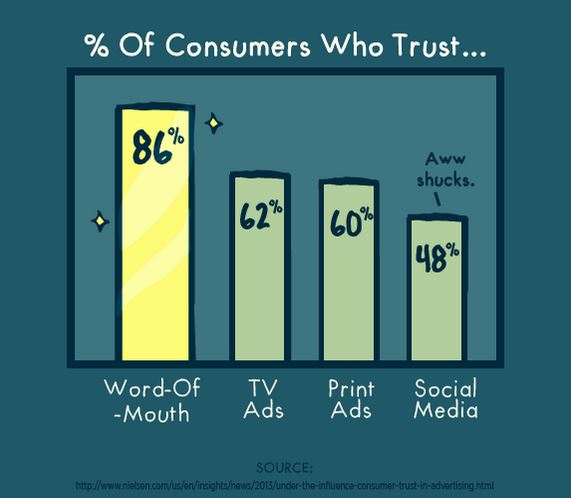
Thus, it yields a positive outcome towards consumers, showing how Patagonia use the behavioural theory approach as their consumers learning takes place as a result to external events. This external event being word of mouth of the ad shown above. This is because Patagonia’s clothes are durable, sustainable, environmentally friendly as they recycle and reuse certain materials in their clothes which allows them to last numerous years, allows a consumer to know what they will get with their product and because other consumers such as their friend’s or family have had positive experiences it yield’s positive outcomes because a consumer will then purchase Patagonia over a rival’s such as north face because of the positive experiences instilled to them by trusted others. Therefore, allowing for behavioural learning to take place and building a long standing trust and relationship with consumers.
Reference:
(1) Solomon, Michael., Russell-Bennett, R. and Previte, J 2019, Consumer Behaviour, Australian Edition, 4th Ed, Pearson
(2) Hoch, S.J. and Ha, Y.W., 1986. Consumer learning: Advertising and the ambiguity of product experience. Journal of consumer research, 13(2), pp.221-233. Viewed 9th May 2019, https://www.researchgate.net/publication/24098465_Consumer_Learning_and_the_Ambiguity_of_Product_Experience